
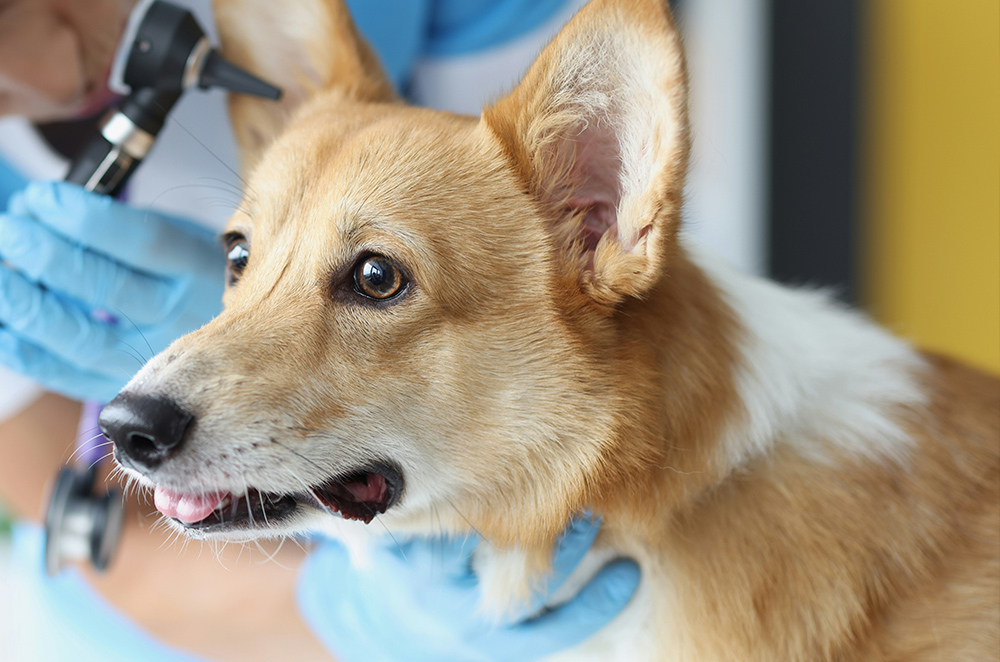
The Long-Term Benefits of Wellness Visits
Getting back into a routine is a great opportunity to make your pet’s health a priority.
Regular wellness visits help your veterinarian get to know your pet, monitor changes over time, and identify potential concerns early—from dental disease and skin conditions to arthritis and heart problems.
Preventive care supports your pet’s comfort and well-being at every stage of life—and gives you peace of mind along the way.
A Routine for Every Life Stage
Your pet’s wellness schedule should reflect their age, health, and individual needs.
Puppies and kittens need frequent visits during their first months for vaccinations, growth checks, and preventive care. Adult pets generally benefit from annual wellness exams, while senior pets may need visits every six months or more often.
Your veterinarian can recommend the right schedule for your pet based on their breed, size, lifestyle and health history.
What Happens During a Wellness Exam?
A wellness visit is your opportunity to discuss changes, ask questions, and plan for your pet’s ongoing care. During the appointment, your veterinary team may:
-
Record your pet’s weight and assess their body condition.
-
Check vital signs, including temperature, heart rate, and breathing.
-
Discuss your pet’s diet, activity, daily routine, and behavior.
-
Perform a physical examination, including a check of the teeth and gums.
-
Review vaccinations, parasite prevention, and recommended screening tests.
Even small changes at home—such as sleeping more, hesitating on stairs, or eating differently—are worth sharing.
Listening to What Your Pet Can’t Say
Many pet owners say, “I wish my pet could talk.” Although pets can’t describe how they feel, their movements, posture, and expressions offer important clues.
Your veterinary team watches for these signals throughout the visit. Hesitation when stepping onto a scale, shifting weight, tense muscles, or flinching during an exam may prompt a closer look for fear or discomfort.
In dogs, yawning, lip licking, a tucked tail, or showing the whites of the eyes can signal uneasiness. A wagging tail also needs context: its position and movement, along with the dog’s overall posture, help tell the story.
Cats often communicate through subtle changes in their ears, eyes, whiskers, and body position. Your veterinarian considers these clues alongside the examination to assess comfort and possible pain.
Making Visits More Comfortable
A pet who stays very still may be frightened rather than relaxed. Your veterinary team can adjust their approach, use gentle handling, offer breaks, and suggest ways to make future visits easier.
Let the team know if your pet has been anxious during previous appointments. Working together can help create a more comfortable experience.
Make Wellness Part of Your Routine
You don’t have to wait for a problem to schedule a visit. Regular checkups help build a picture of your pet’s health and support timely, personalized care as their needs change.
Get back to routine care—schedule your pet’s next wellness visit today.
Feel free to call us at 314-794-6800 or book online at www.metrovetstl.com to book your pet’s Wellness Exam.
Address: 920 South Brentwood Boulevard, St. Louis, MO 63105
Hours: Monday – Friday: 8:00 AM – 6:00 PM